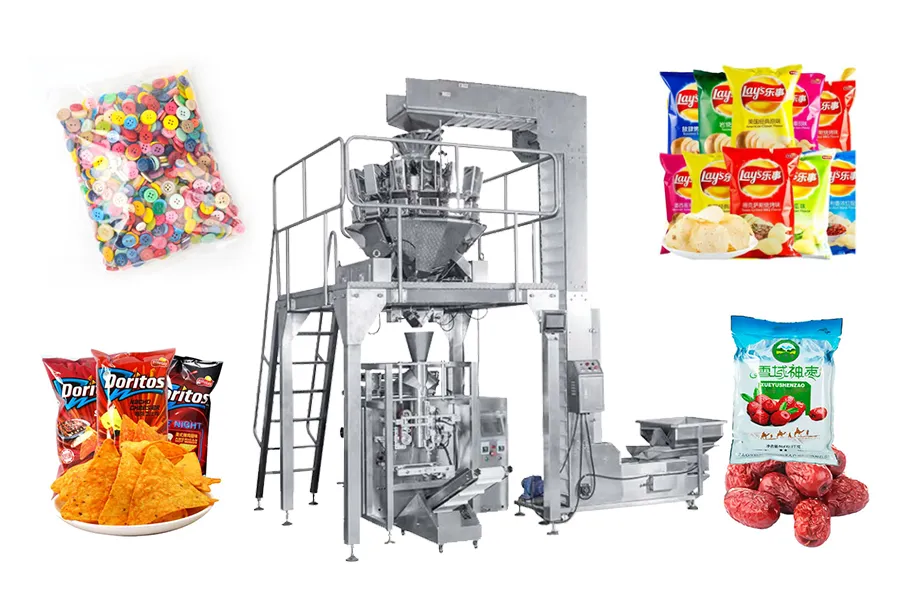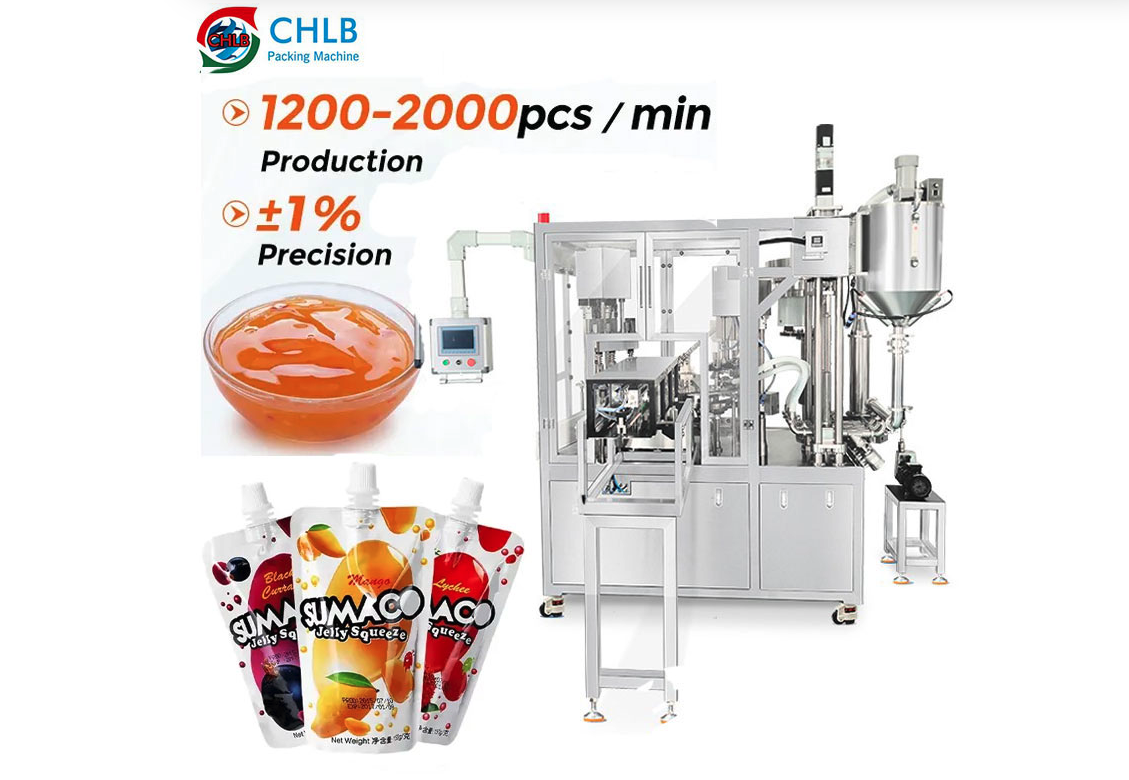
Food producers often choose between vacuum packaging and Modified Atmosphere Packaging (CARTA GEOGRAFICA) to extend shelf life. Vacuum sealing removes air completely, while MAP replaces it with a specific gas blend. This technical difference determines the final look of your product. It determines whether food stays fresh and voluminous or becomes physically compressed by the packaging film.
Choosing the wrong system leads to crushed products and lost sales. This guide compares both technologies to help you pick the most efficient machinery for your specific production line and product type.
What Are MAP and Vacuum Packaging?
To make a smart investment in packaging machinery, you must understand the physics behind the package. Both methods aim to inhibit microbial growth. Tuttavia, they use very different mechanical principles to achieve this goal.
Vacuum Packaging: The Oxygen Removal Method
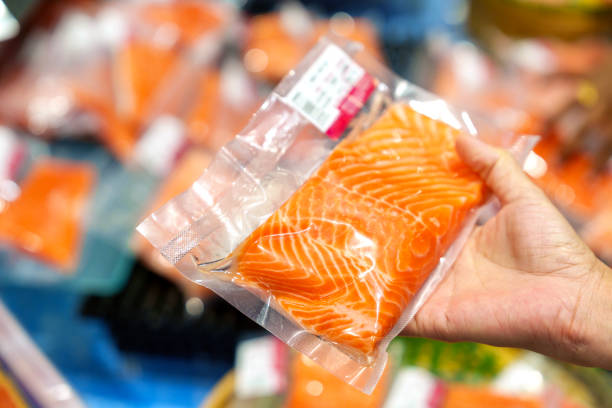
Vacuum packaging is the most direct way to preserve food. The machinery uses a high-performance vacuum pump to pull nearly all the air out of a high-barrier bag. Once the atmospheric pressure inside your package drops to a near-zero state, the machine creates a hermetic seal.
This process causes the film to adhere tightly to the product surface. It works by removing the oxygen that aerobic bacteria and mold need to grow. Tuttavia, the physical pressure of the vacuum is quite strong. If you are packaging solid items like frozen fish or hard blocks of cheese, this pressure is perfectly fine. For softer items, this tight seal can ruin the product’s shape and squeeze out essential juices.
CARTA GEOGRAFICA: The Controlled Environment Method
Imballaggio atmosfera modificato (CARTA GEOGRAFICA) is a more advanced process. Instead of just removing air, the machine replaces the internal atmosphere with a specific mix of gases. This blend usually includes Carbon Dioxide (CO₂), Azoto (N₂), and sometimes Oxygen (O₂).
Primo, the vacuum phase removes the ambient air. Poi, a gas mixer injects a specific volume of gas before the final seal. This technique, often called gas flushing, creates a cushioning headspace. It prevents the package from collapsing. This allows your fresh salad to stay crisp and raw red meat to keep its natural color. In this case, the machine acts as a chemical regulator rather than just a suction tool.
MAP vs. Vacuum Packaging: Head-to-Head Comparison
For distributors and plant managers, the decision usually comes down to these core metrics. Using the right data ensures that your production line remains cost-effective.
| Caratteristica | Vacuum Packaging | CARTA GEOGRAFICA (Modified Atmosphere) |
|---|---|---|
| Primary Goal | Oxygen removal | Atmospheric control |
| Estensione della durata di shelf | 2x – 4x longer than air | 3x – 5x longer than air |
| Product Appearance | Compressed / “Crushed” look | Natural / Fresh appearance |
| Gas Costs | $0 (No gas needed) | Ongoing cost for gas cylinders |
| Tipo di film | High-shrink / Flexible | High-barrier / Trays or Bags |
| Residual Oxygen | In genere < 0.5% | Adjustable (0.1% A 80% depending on mix) |
| Typical ROI | Veloce (lower entry cost) | Medio (higher value per unit) |
Ideal Food Applications: Matching the Right Packaging to Your Products
The best packaging method depends entirely on the physical characteristics of your cibo. Applying high vacuum pressure to the wrong item is a common mistake. It leads to damaged goods and customer complaints.
When Vacuum Packaging is the Best Fit
Vacuum technology is the industry standard for tough proteins and bulk ingredients. If you produce frozen poultry, smoked meats, or dense cheeses, this method thrives. The film sticks tightly to the surface, leaving no room for moisture to migrate and turn into ice. This effectively eliminates freezer burn. This is a major concern for your long-distance exports.
In B2B supply chains, you might prefer vacuum packaging because it saves massive amounts of space. These bags are thin and easy to stack. You can fit 20% A 30% more product into a shipping container compared to other methods. For sous vide cooking, a vacuum is your only choice. It ensures the best heat transfer between the water and the food surface.
When MAP is Required for Quality
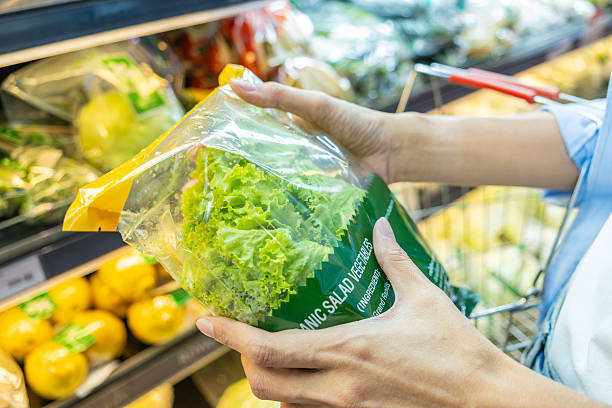
MAP is essential when the visual appeal of the food drives your retail sales. Fresh red meat is the perfect example. Under a vacuum, your red meat turns a dark purple due to the lack of oxygen. Most shoppers will not buy purple meat, even if it is fresh. By using a MAP mix with high oxygen (O₂), you keep the meat bright red. Nel frattempo, the CO₂ stops bacteria from growing.
Bakery items and leafy greens also need a gas-filled headspace to protect their structure. A vacuum would turn your fresh croissant into a flat piece of dough. In the snack industry, Azoto (N₂) is used to inflate the bag. This acts as a shock absorber to stop your chips from breaking during delivery. For fresh-cut fruit, a specific MAP mix slows down the respiration rate. This prevents your product from turning brown or soggy.
Machine Complexity and Cost Considerations for Manufacturers
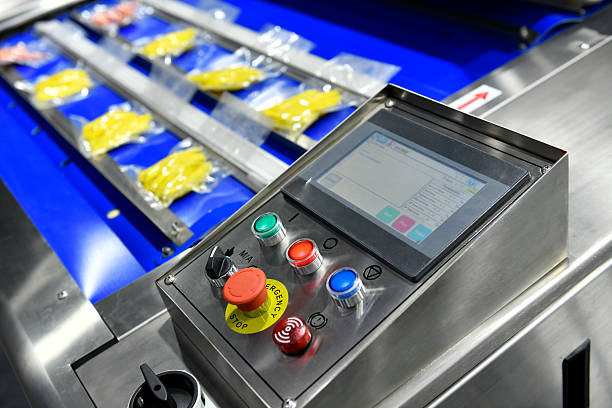
From an engineering perspective, these two systems require different levels of attention on your factory floor.
Operating a Vacuum System
Vacuum machines are reliable “workhorses.” Your main maintenance focus is the vacuum pump. As long as you change the oil and replace the sealing wires regularly, these machines can run for many years.
The daily running cost for you is very low. You have no gas tanks to buy and no complex sensors to check. For a small or mid-sized factory, your return on investment (ROI) is usually fast. The machinery is affordable, and the film costs are stable.
Managing a MAP System
MAP machinery is more technical and requires higher precision. Along with the vacuum pump, your system will need a gas mixer and an online oxygen analyzer.
Precision is your priority here. If your CO₂ levels are off by even 2%, your food might spoil early. This requires your operators to have specialized training. They must monitor gas levels and swap out cylinders regularly. While your cost per package is higher due to gas usage, the results often justify the price. Selling fresh-looking products at a premium price usually covers the extra expense.
A 3-Step Guide to Choosing the Right Packaging Machinery
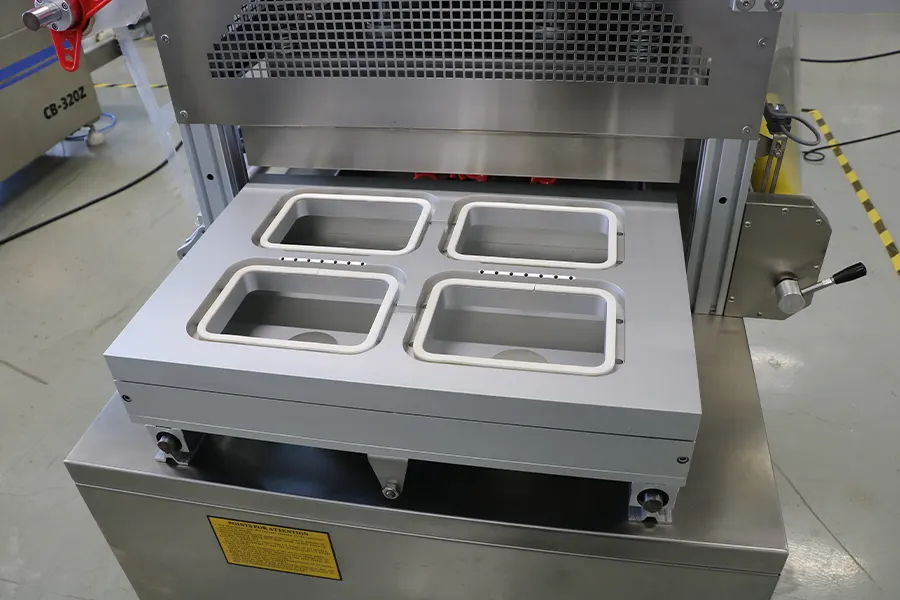
If you are deciding which way to go for your production line, use this simple logic to evaluate your specific needs.
1. Check Product Fragility
Does your food lose value if its shape or texture changes? If the answer is yes, MAP is your professional choice. It is ideal for items like salads, berries, or delicate pastries. If your food is solid and dense, a vacuum is more efficient.
2. Look at Your Shipping Distance
How far does your product travel? For local shops within a short radius, a simple vacuum seal might be enough. Tuttavia, national shipping requires 20 A 30 days of guaranteed freshness. In this case, the atmospheric control of MAP becomes a necessity for your brand.
3. Calculate the Total Cost (CAPEX vs. OPEX)
Do not just look at the price of the machine. You must think about your cost per unit. This includes the gas and specific film requirements. A MAP machine costs more upfront. Tuttavia, if it reduces your retail returns and food waste by 15%, the machine pays for itself very quickly.
Upgrade Your Production Line with CHLB Packaging Solutions
Efficiency in the modern food industry requires equipment that is both durable and precise. CHLB specializes in high-performance, fully automatic vacuum packaging machines and MAP systems designed for heavy industrial use.
Our machines are made from high-grade stainless steel for easy cleaning. We use simple PLC touchscreens to make it easy for your team to change settings. Whether you need high-speed vacuum sealing for exports or precision gas flushing for retail meats, CHLB engineering focuses on your long-term reliability.
Ready to optimize your linea di confezionamento and enhance your product shelf life? Contattaci oggi to receive a free consultation and find the perfect machinery for your facility.
Domande frequenti
Actually, yes. Many of our CHLB tray sealers and thermoformers are “MAP-ready.” You can run them in vacuum-only mode, or you can turn on the gas-flushing feature when you need it. This gives you great flexibility as your product line grows.
When done correctly, no. The gases used (N₂, CO₂, O₂) are naturally occurring in the air we breathe. CO₂ can sometimes create a very slight acidic taste if used in extremely high concentrations in moist products, but a professional gas mix prevents this.
In terms of raw materials and gas, yes. Vacuum is cheaper because you aren’t paying for gas cylinders. Tuttavia, if vacuum packaging ruins the texture of your product, IL “hidden cost” of lost sales makes it much more expensive than MAP.
We recommend doing a “spot check” with a handheld gas analyzer at the start of every shift and after every film roll change. Consistency is what builds trust with your retailers.
This is a tough one. Vacuum packaging uses less volume (smaller bags), which means less plastic and less shipping space. Tuttavia, MAP is better at reducing food waste, which is a massive environmental problem. Both can use recyclable mono-materials if the machine is calibrated correctly.