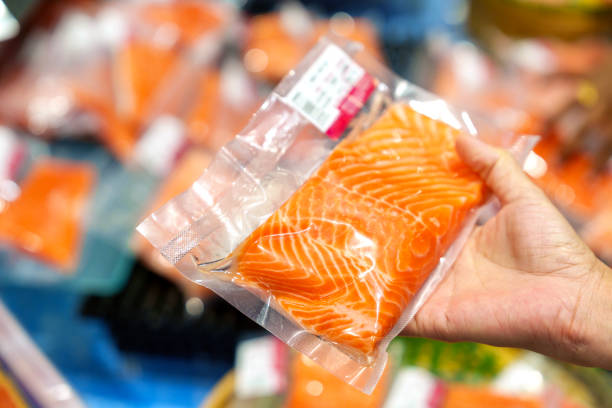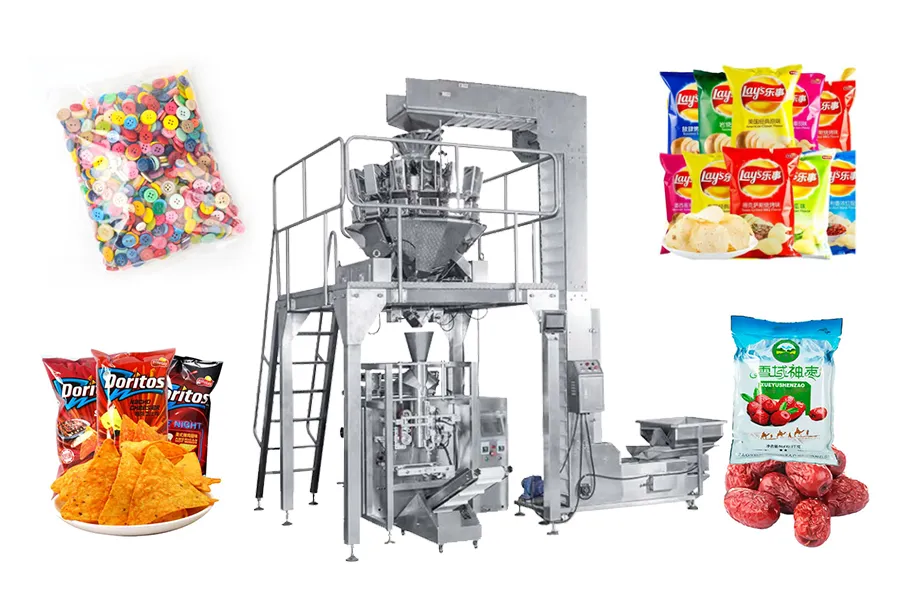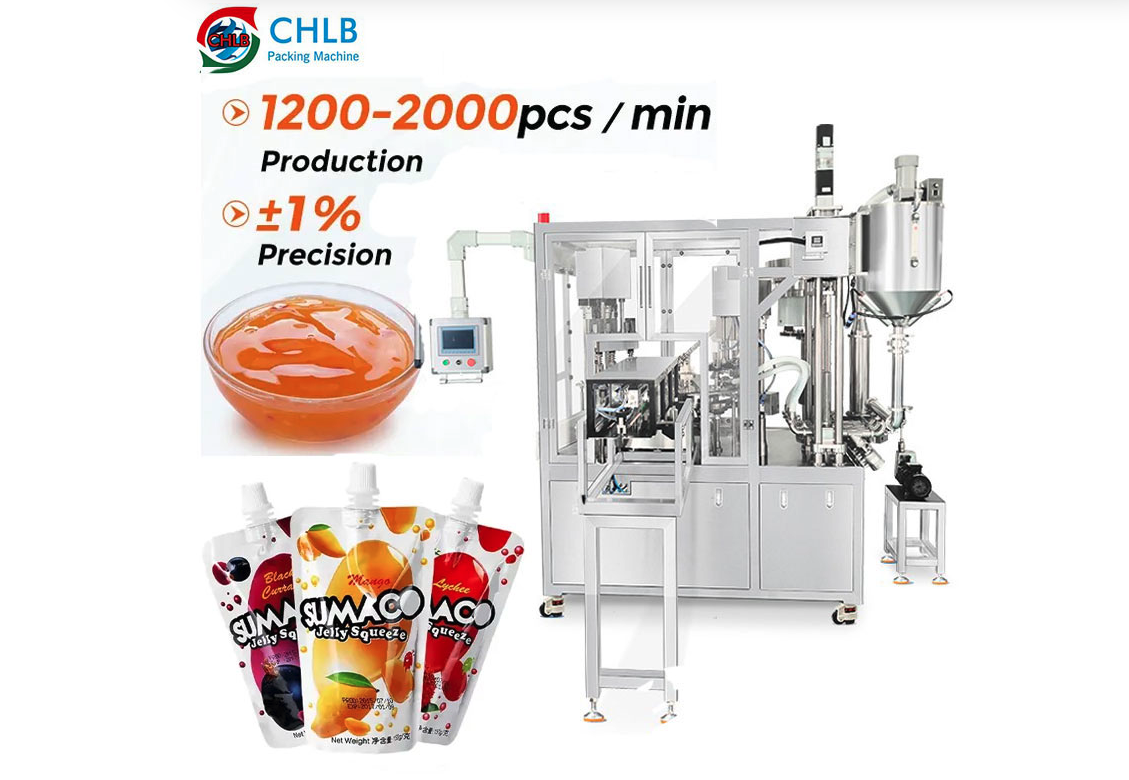
L'imballaggio degli alimenti surgelati svolge un ruolo fondamentale nel mantenere i prodotti sicuri, fresco, e visivamente accattivante dalla fabbrica al congelatore. Che tu sia un produttore, distributore, o semplicemente curioso di sapere come i tuoi piatti surgelati preferiti rimangono perfetti, comprendere i materiali e le prestazioni dell'imballaggio è essenziale.
In questa guida, esploreremo i materiali più comuni per l'imballaggio degli alimenti surgelati e ti aiuteremo a scegliere la soluzione migliore per le tue esigenze. Immergiamoci!
Perché è importante il confezionamento degli alimenti surgelati
Potresti chiedertelo, Perché non posso semplicemente usare un normale sacchetto di polietilene? surgelato? La risposta sta nelle sfide uniche delle temperature gelide. All'interno di un congelatore, dove le temperature possono scendere fino a -18°C (0°F) o inferiore, la confezione normale semplicemente non basta.
Gli imballaggi per alimenti surgelati devono proteggere da tre minacce principali:
1. Ustioni da congelamento e disidratazione
Il problema più comune di cui sentirai parlare dai consumatori è la bruciatura da congelamento. Ciò accade quando l'umidità all'interno del cibo si trasforma in gas e fuoriesce, lasciando il cibo asciutto, difficile, e scolorito. Questo processo, chiamata sublimazione, è un vero problema per i vostri prodotti surgelati. Per evitare questo, hai bisogno di un imballaggio con un basso velocità di trasmissione del vapore acqueo (WVTR)-questo mantiene l'umidità bloccata all'interno, preservandone sia la consistenza che il sapore.
2. Ossidazione e irrancidimento
L'ossigeno può distruggere il sapore degli alimenti congelati, soprattutto cibi grassi come carne o piatti preparati con oli. Anche i grassi congelati possono iniziare a ossidarsi, causando ciò spiacevole “stantio” gusto. Un imballaggio efficace per gli alimenti surgelati deve fornire una forte barriera all'ossigeno per mantenere la freschezza e prevenire l'irrancidimento.
3. Durabilità fisica (Resistenza agli urti)
Le temperature fredde possono rendere fragili i materiali, quindi una pellicola di plastica resistente a temperatura ambiente potrebbe rompersi o frantumarsi se congelata. Questo è un problema durante la spedizione quando i sacchetti di alimenti congelati vengono gettati di qua e di là o spinti nei camion. Bordi taglienti, come la punta appuntita di una patatina fritta congelata o l'estremità di un osso di pollo, può facilmente perforare un pacchetto debole. Ecco perché il tuo imballaggio deve essere abbastanza robusto da resistere agli urti e alle forature, anche in condizioni di gelo.
Utilizzando imballaggi specializzati per alimenti surgelati, ti assicuri che i tuoi prodotti rimangano freschi, saporito, e intatto, indipendentemente dalle condizioni all'interno del congelatore.
Quali materiali vengono utilizzati nell'imballaggio degli alimenti surgelati?
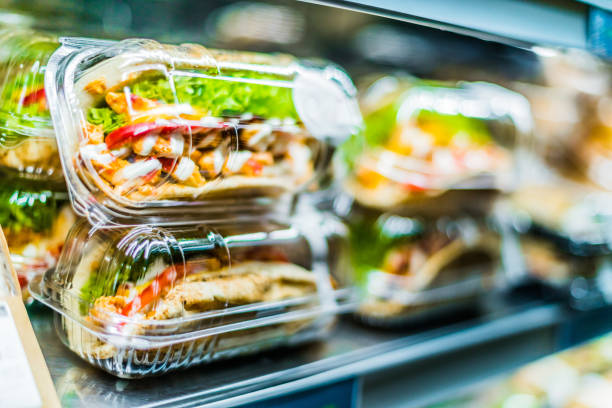
I materiali per l'imballaggio degli alimenti surgelati rientrano in due grandi categorie:
- Imballaggio flessibile, come pellicole e buste, che è leggero, economico, e ampiamente utilizzato.
- Imballaggi rigidi o semirigidi, come vassoi o scatole, che fornisce una forte protezione fisica e una migliore resistenza all'impilamento.
Comprendere il ruolo e il comportamento di ciascun materiale ti aiuta a selezionare il tipo giusto per il tuo prodotto. Esaminiamoli uno per uno.
1. Polietilene (PE)
Il polietilene è la spina dorsale degli imballaggi flessibili per alimenti surgelati. Viene utilizzato per realizzare qualsiasi cosa, dalle semplici borse alle complesse pellicole laminate.
Perché viene utilizzato:
- Altamente resistente all'umidità, mantenendo il cibo asciutto e prevenendo le bruciature da congelamento.
- Rimane flessibile anche a temperature molto basse (fino a circa -40°C).
- Può essere termosaldato facilmente, che è fondamentale per mantenere l'imballaggio ermetico.
Varianti e applicazioni:
- LDPE (PE a bassa densità): Morbido, flessibile, utilizzato per sacchetti di verdure o strati sigillanti interni.
- HDPE (PE ad alta densità): Più rigido, più forte, spesso utilizzato per strati esterni o buste più spesse.
Limitazione:
Fornisce una barriera limitata all'ossigeno, quindi non è la scelta migliore per gli alimenti sensibili all'ossidazione (come carne o formaggio).
Applicazione: Lo vedrai in quasi tutte le borse flessibili, dai frutti di bosco congelati ai mix di verdure.
2. Polipropilene (PP)
Il polipropilene è un'altra plastica da imballaggio comune, noto per essere durevole e chiaro. Tuttavia, diventa fragile in condizioni di freddo estremo, quindi il suo ruolo nelle applicazioni congelate è solitamente parte di una pellicola multistrato.
Perché viene utilizzato:
- Ottima trasparenza e brillantezza, rendere il prodotto visibile sullo scaffale.
- Buona resistenza chimica.
- Conveniente rispetto ai materiali con barriera più elevata.
Struttura tipica:
Spesso combinato con LDPE (formando BOPP/LDPE) per ottenere sia rigidità che flessibilità.
Limitazione:
Il solo PP non modificato può rompersi a temperature inferiori a -20°C, quindi non viene utilizzato come film autonomo per il congelamento profondo.
Applicazione: Pasti surgelati, dessert, e prodotti da forno.
3. Polietilene tereftalato (ANIMALE DOMESTICO)
Il PET è un compito difficile, plastica lucida che funziona bene come strato esterno di imballaggi laminati.
Perché viene utilizzato:
- Forte, con elevata resistenza alla perforazione e allo strappo.
- Bassa permeabilità all'ossigeno rispetto a PE e PP.
- Eccellente superficie di stampa per il branding e l'etichettatura.
- Mantiene la stabilità dimensionale sia in condizioni calde che fredde.
Applicazioni comuni:
Utilizzato come strato esterno nelle buste laminate PET/PE o nella pellicola di copertura per vassoi.
Limitazione:
Costoso, e da solo è troppo rigido per essere sigillato direttamente, quindi solitamente combinato con PE più morbido.
Applicazione: Prodotti pronti da cuocere, verdure surgelate, e carne.
4. Poliammide (Nylon)
Il nylon non è flessibile come il PE o il PP, ma è imbattibile per la durata. È un materiale di riferimento quando lo stress meccanico e la protezione dalle forature sono le massime priorità.
Perché viene utilizzato:
- Resistenza alla perforazione molto elevata, ideale per la carne, crostacei, e prodotti con osso.
- Buona barriera all'ossigeno, proteggere i prodotti dall'ossidazione.
Configurazione tipica:
Solitamente laminato con PE (per sigillare) o con EVOH (per una barriera extra all'ossigeno), formando multistrato PA/PE o PA/EVOH/PE.
Limitazione:
Assorbe l'umidità nel tempo, che può ridurre leggermente le sue proprietà barriera se non adeguatamente laminato.
Applicazione: Carni congelate, frutti di mare, e prodotti con osso.
5. EVOH (Alcool etilene vinilico)
EVOH potrebbe sembrare esotico, ma è l’eroe invisibile in molti sistemi di confezionamento avanzati. È uno strato barriera specializzato spesso posizionato tra altri film.
Perché viene utilizzato:
- Fornisce una barriera all'ossigeno estremamente elevata, fino a 100 volte migliore del PE o PP standard.
- Mantiene sapori e aromi freschi per lunghi periodi, vitale per carne e frutti di mare.
Struttura tipica:
Sempre inserito tra strati resistenti all'umidità (PER ESEMPIO., PET/EVOH/OR) perché la sua barriera cade se esposto all'umidità.
Limitazione:
Più costoso dei normali polimeri e richiede coestrusione o laminazione multistrato.
Applicazione: Frutti di mare congelati, carni di alta qualità, e pasti surgelati premium.
6. Compositi di cartone
Ora andiamo oltre la pellicola flessibile, passando ai materiali semirigidi. Questa frase indica un imballaggio che non è costituito esclusivamente da pellicola morbida ma include cartone, vassoi, o scatole realizzate con carta più rivestimenti protettivi.
Perché viene utilizzato:
- Fornisce rigidità e impilabilità, importanti per le pizze, piatti pronti, e prodotti multi-pack.
- Ottima superficie per la stampa di loghi, menu, o istruzioni per la manipolazione.
- Può essere combinato con film plastici o rivestimenti in foglio di alluminio per resistere all'umidità e al grasso.
Limitazione:
Non adatto al contatto diretto con l'umido, alimenti surgelati non confezionati, a meno che non siano rivestiti o laminati.
Applicazione: Pizze, piatti pronti, alimenti surgelati in confezioni multiple.
7. Foglio di alluminio e film metallizzati
Il foglio di alluminio rappresenta il più alto livello di barriera oggi disponibile. Le pellicole metallizzate offrono prestazioni simili ma sono più leggere ed economiche.
Perché vengono utilizzati:
- Blocca l'ossigeno, umidità, e illuminarsi completamente.
- Estendere significativamente la durata di conservazione del prodotto.
- Preserva colore e sapore: ideale per prodotti pronti da cuocere e pasticceria di alta qualità.
Opzioni metallizzate:
- PET metallizzato: Sguardo riflessivo, forte barriera, costo inferiore rispetto al foglio reale.
- Foglio di alluminio: Trasmissione di gas quasi pari a zero, ma meno flessibile e più costoso.
Limitazione:
Difficile da riciclare se laminato con plastica; Anche, le pellicole di alluminio possono piegarsi facilmente durante il riempimento.
Applicazione: Prodotti pronti da cuocere, pasticcini di prima qualità, Pizze congelate, e dessert surgelati.
8. Vassoi in plastica rigida (ANIMALE DOMESTICO, PP, o CPET)
I vassoi rigidi fanno un ulteriore passo avanti "oltre la pellicola flessibile": si formano contenitori piuttosto che avvolge. Utilizzato principalmente per piatti pronti surgelati, lasagne, o dessert.
Perché vengono utilizzati:
- Fornire protezione fisica contro schiacciamenti e danni da manipolazione.
- Supporta la termosaldatura con pellicola di copertura per una chiusura ermetica, confezione a prova di manomissione.
- Alcuni tipi, come il CPET (PET cristallino), resistere sia al congelamento che al riscaldamento del forno.
Limitazione:
Più pesanti e più costose delle buste flessibili. Anche, le spese di spedizione aumentano a causa del loro ingombro.
Applicazione: Piatti pronti surgelati, lasagne, dessert surgelati, e pasti utilizzabili nel microonde.
9. Alternative biodegradabili e riciclabili
La sostenibilità sta rimodellando il dibattito sul packaging, anche nelle applicazioni congelate. Materiali come il PLA compostabile (Acido Polilattico) oppure stanno entrando nel mercato film a base di cellulosa, anche se devono ancora affrontare limitazioni a temperature inferiori allo zero.
Soluzioni attuali:
- Pla (Acido Polilattico): A base biologica ma fragile sotto lo zero.
- Strutture monomateriche (100% PE o PP) per la riciclabilità.
- BOPE (PE orientato biassialmente) film: chiari, rigido, e riciclabile, dovrebbe sostituire il PET in molti usi.
- Spessore del film ridotto grazie a tecnologie di coestrusione migliorate, riducendo il consumo di materiale del 10–20%.
Limitazione:
Gli eco-film devono continuare a migliorare la resistenza alle basse temperature per soddisfare gli attuali standard prestazionali.
Applicazione: Imballaggi sostenibili per alimenti surgelati (verdure, pasti, spuntini).
Come si comportano i diversi materiali di imballaggio in condizioni di congelamento
Di seguito è riportata una tabella comparativa che riassume le prestazioni dei principali materiali per l'imballaggio di alimenti surgelati rispetto a fattori tecnici cruciali.
| Materiale | Tolleranza alla temperatura | Flessibilità a -20°C | Sostenibilità | Applicazioni |
|---|---|---|---|---|
| LDPE / HDPE (Polietilene) | Eccellente (fino a -40°C) | Molto bene (mantiene la morbidezza) | Riciclabile (mono-PE) | Buste di frutta e verdura, sacchi sfusi |
| PP (Polipropilene) | Giusto (a -20°C) | Limitato (può rompersi) | Riciclabile (mono-PP) | Cialde, tagliatelle, spuntini |
| ANIMALE DOMESTICO (Polietilene tereftalato) | Eccellente (ampia gamma) | Giusto (rigido a bassa temperatura) | Parzialmente riciclabile con mono-PET | Film di copertura, buste stand-up |
| Nylon (Poliammide) | Eccellente | Bene | Riciclabilità limitata | Carne, frutti di mare, confezioni con osso |
| EVOH (Alcool etilene vinilico) | Eccellente | Flessibile all'interno dei laminati | Non riciclabile da solo | Buste laminate ad alta barriera |
| Compositi di cartone | Buono per l'imballaggio secondario | Rigido | Parzialmente riciclabile (con rivestimento in PE) | Scatole per pizza, buste per i pasti |
| Foglio di alluminio / Film metallizzati | Eccellente (gestisce gli estremi) | Sventare: rigido / Pellicola metallizzata: flessibile | Scarsa riciclabilità (multistrato) | Dolci, prodotti da forno, alimenti di prima qualità |
| PET rigido / PP / Vassoi CPET | Eccezionale | Rigido | Riciclabile (monostruttura) | Piatti pronti, lasagne, dessert |
| Biodegradabile / Plastica riciclabile (Pla, BOPE, ecc.) | Giusto (Il PLA è fragile sotto i -10°C; BOPE stabile) | Variabile | Eccellente per il riciclaggio o il compostaggio | Prodotti surgelati ecologici, spuntini |
Informazioni chiave dal confronto
- LDPE e HDPE rimangono i materiali più versatili ed economici per gli imballaggi flessibili surgelati. Resistono alle screpolature, sigillare facilmente, e sono ampiamente riciclabili.
- I laminati in PET e nylon forniscono un'elevata resistenza meccanica per carni o merci più pesanti, sebbene aumentino i costi e riducano la flessibilità.
- EVOH offre la migliore barriera all'ossigeno e viene generalmente utilizzato come strato intermedio sottile in strutture multistrato.
- L'alluminio e le pellicole metallizzate sono imbattibili in termini di resistenza alla barriera, ma meno rispettosi dell'ambiente e più difficili da riciclare.
- I compositi in cartone e i vassoi rigidi vanno oltre la pellicola flessibile, offrendo struttura e impilabilità per pasti pronti al dettaglio.
- Opzioni sostenibili come BOPE e film mono-PP stanno emergendo come alternative realistiche, sebbene sia ancora in fase di ottimizzazione per la resistenza alle basse temperature.
Cosa considerare quando si sceglie l'imballaggio per alimenti surgelati
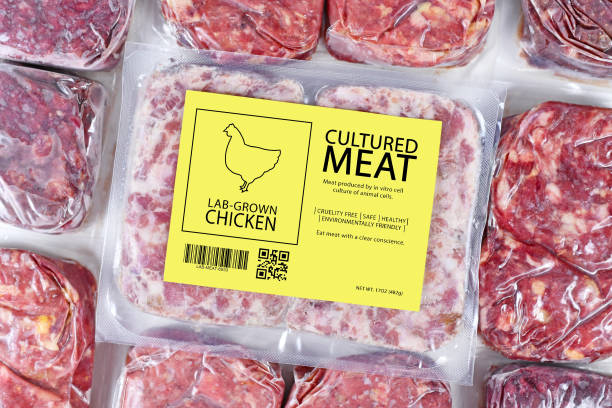
Se stai lanciando un nuovo prodotto surgelato o aggiornando la tua linea attuale, non comprare solo il film più economico. Questa è una ricetta per il disastro. È necessario bilanciare tre elementi: Protezione del prodotto, Lavorabilità, e sostenibilità.
Ecco una lista di controllo dal punto di vista del produttore di apparecchiature.
I requisiti della barriera (OTR e WVTR)
È necessario abbinare la barriera al cibo.
- Verdure: Sono per lo più acqua. Hanno bisogno di una buona barriera contro l'umidità (WVTR) per prevenire la disidratazione. Tuttavia, sono meno sensibili all'ossigeno. Di solito va bene una struttura standard in PE/PE o BOPP/PE.
- Carni e cibi grassi: Questi sono sensibili. L’ossigeno provoca l’ossidazione dei grassi. Hai bisogno di un “barriera alta” film, probabilmente incorporando EVOH (Alcool etilene vinilico) o uno strato metallizzato. Se lesina qui, il tuo prodotto avrà un sapore stantio entro poche settimane.
- Nitidezza: Se stai confezionando pollo con osso o cozze sgusciate, i numeri della barriera non contano se l’osso fa un buco nella borsa. Hai bisogno di uno spesso, laminato resistente alla perforazione, di solito coinvolgono il nylon (PA) per tenacità.
Lavorabilità: Funzionerà??
È qui che molte aziende falliscono. Comprano una pellicola che sembra bella ma provoca inceppamenti sulla linea di produzione.
- COF (Coefficiente di attrito): Il film deve scorrere sul collare di formatura della macchina. Se il COF è troppo alto, si trascina e si spezza. Se è troppo basso, scivola, e l'allineamento della stampa viene incasinato.
- Finestra di sigillatura: Desideri un materiale che sigilli bene in un intervallo di temperature. Se un materiale sigilla solo esattamente a 140°C, e la temperatura del pavimento della tua fabbrica oscilla, otterrai sigilli deboli. Un'ampia finestra di tenuta (PER ESEMPIO., sigilla bene tra 130°C e 160°C) consente velocità di produzione più elevate e meno errori.
- Rigidità: Se stai utilizzando una macchina VFFS, il film necessita di rigidità sufficiente per formare un tubo. Se è troppo molle, si raggrinzisce, portando a “leaker” (lacune non sigillate).
Esperienza utente e comodità
Pensa all'utente finale che lo tira fuori dal congelatore.
- Richiudibilità: Per prodotti multiservizio (come un sacchetto da 1 kg di crocchette di pollo), una cerniera è obbligatoria. Se il cliente non può richiudere la borsa, il cibo rimanente viene bruciato dal congelatore. Daranno la colpa al tuo marchio, non il loro congelatore.
- Easy-Peel vs. Sigillo distruttivo: Per il coperchio del vassoio, vuoi che la pellicola si stacchi in modo netto? O dovrebbe saldarsi saldamente, richiedendo un coltello per aprirsi? Ciò dipende dai requisiti di sicurezza e dalla comodità.
Il cambiamento della sostenibilità
L’industria si sta allontanando dai laminati complessi (come PET/Alluminio/PE) perché sono difficili da riciclare. Gli strati non possono essere facilmente separati.
- La tendenza: Strutture monomateriche (PE/PE) sono il futuro. Sono completamente riciclabili.
- La cattura: Come accennato in precedenza, sono più difficili da eseguire su macchine più vecchie. Si allungano più facilmente sotto il calore. Se hai intenzione di passare a film sostenibili, assicurati che i tuoi macchinari per l'imballaggio siano dotati di controlli precisi della temperatura e sistemi di tensione per gestirli.
Pensieri finali
Gli imballaggi commerciali per alimenti surgelati si stanno evolvendo rapidamente. Il mercato ora valorizza la riciclabilità, migliore appeal visivo, e un’automazione economicamente vantaggiosa. Sia che lavori con il polietilene, ANIMALE DOMESTICO, o alternative ecologiche, l'obiettivo rimane stabile: consegnare in sicurezza, dall'aspetto fresco, e alimenti surgelati perfettamente conservati per i clienti di tutto il mondo.
A CHLB, forniamo macchine per l'imballaggio alimentare di alta qualità che soddisfano una varietà di prodotti alimentari, compresi gli alimenti surgelati. Con un’ampia gamma di soluzioni su misura per soddisfare le diverse esigenze di confezionamento, possiamo aiutarvi a ottimizzare il vostro processo di confezionamento.
Pronti a migliorare le vostre soluzioni di imballaggio?
Contattaci oggi per scoprire come le macchine innovative di CHLB possono supportare la tua attività e migliorare l'efficienza del confezionamento degli alimenti.