Dans un environnement de production à grande vitesse, l'accent quotidien reste généralement sur le débit et la disponibilité des machines. Nous surveillons la précision des mâchoires de scellage et le timing des convoyeurs pour garantir que chaque seconde compte. Cependant, Même les machines les plus avancées tomberont en panne si le matériau d'emballage n'est pas adapté à votre application spécifique..
La sélection des matériaux détermine la durée pendant laquelle votre produit reste frais et si votre entreprise passe un audit réglementaire.. Cela dicte également le coût de déplacement de vos marchandises de l’usine au rayon.. Cet article détaille les cinq raisons techniques pour lesquelles votre choix de film ou de conteneur est l'un des principaux facteurs déterminants des résultats de votre production..
Raison 1: Garantir la sécurité alimentaire et la conformité réglementaire
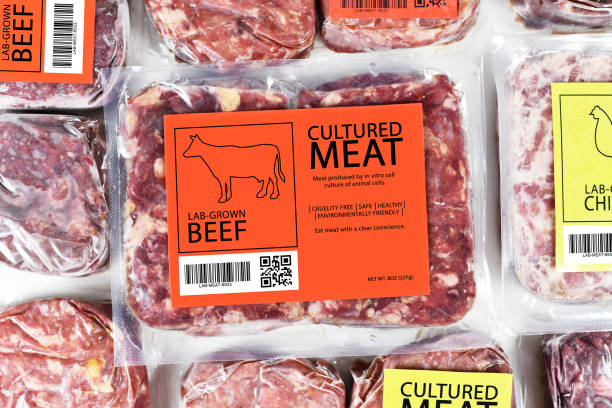
La sécurité alimentaire est un défi technique d’atténuation des risques. Votre matériau d'emballage sert de barrière physique finale contre les menaces biologiques et chimiques qui pourraient compromettre votre lot..
Prévenir la migration chimique
Un risque majeur dans l’industrie est la migration chimique. Il s'agit du transfert de substances indésirables de l'emballage vers le nourriture. Les coupables courants incluent les solvants d’encre, adhésifs, ou des plastifiants. Ce risque augmente considérablement lorsque vos produits sont gras ou acides. L'utilisation d'un stratifié multicouche avec une barrière fonctionnelle vérifiée garantit que votre produit reste intact. Pour votre équipe de contrôle qualité, vérifier la pureté de ces couches est aussi critique que tester l'aliment lui-même.
Rester dans les cadres juridiques
Normes mondiales comme la FDA ou l'UE 10/2011 sont rigides. Chaque matériau que vous utilisez doit avoir une déclaration de conformité (DoC). Choisir moins cher, les matériaux non certifiés pourraient réduire votre coût initial par unité aujourd'hui, mais cela crée une vulnérabilité aux rappels de produits. Dans une opération professionnelle, la conformité constitue la base d’une chaîne d’approvisionnement ininterrompue et juridiquement solide.
Raison 2: Prolonger la durée de conservation et préserver la qualité

Un emballage inadéquat entraîne une perte financière immédiate en raison de la détérioration. Si le matériau ne peut pas maintenir son intégrité, le fabricant paie essentiellement pour l'élimination des produits gaspillés.
Contrôler l'atmosphère interne
Emballage sous atmosphère modifiée (CARTE) vous permet d'expédier des denrées périssables sur des distances beaucoup plus longues. En remplaçant l'oxygène par de l'azote ou du dioxyde de carbone, vous ralentissez le processus d'oxydation. Cependant, cela ne fonctionne que si votre matériau a un faible taux de transmission d'oxygène (OTR).
- Les données: Un film à haute barrière comme l'EVOH peut maintenir la viande rouge fraîche stable jusqu'à 15 jours. En comparaison, L'emballage de base n'offre qu'environ 4 jours de fraîcheur.
- L'impact: Cette différence de 11 jours vous permet de cibler les détaillants nationaux au lieu de vous limiter aux marchés locaux.. Cela élargit considérablement votre clientèle potentielle.
Rétention de l'humidité et de la texture
Pour vos produits secs, le taux de transmission de la vapeur d'eau (WVTR) est la métrique qui compte le plus. Si la barrière est trop faible, vos crackers ou collations absorberont l'humidité ambiante et perdront leur texture. C'est une erreur technique courante de supposer qu'un film plus épais est toujours préférable.. En réalité, un mince, le stratifié technique fournit souvent une étanchéité plus efficace qu'un épais, couche de base en polyéthylène.
Raison 3: Améliorer l'identité de marque et l'engagement intelligent des consommateurs
Votre colis est la principale source d'information pour vos acheteurs. Il doit gérer les rigueurs de l'expédition tout en communiquant clairement les qualité de ce qu'il y a à l'intérieur.
Équilibrer protection et visibilité
La finition de votre matériau influence la façon dont votre produit est perçu en rayon. Les films au fini mat sont actuellement privilégiés dans les secteurs du café de spécialité et du bio. Ils résistent aux éraflures et offrent une apparence haut de gamme. En même temps, la transparence reste essentielle pour les produits frais. Un revêtement antibuée sur une fenêtre transparente est un détail petit mais vital. Il permet à vos clients de vérifier la fraîcheur sans briser le sceau.
Mise en œuvre de la traçabilité
Le mouvement vers “Emballage intelligent” intègre des QR codes ou des Indicateurs Temps-Température (ITT) dans le matériau lui-même. Ces outils fournissent à vos distributeurs la preuve vérifiable que la chaîne du froid a été maintenue. Cette transparence construit une relation professionnelle avec vos acheteurs basée sur des données en temps réel et une visibilité sur la chaîne d'approvisionnement..
Raison 4: Optimisation des fonctionnalités pour le confort de l'utilisateur

La refermabilité et la facilité d'ouverture sont les principales caractéristiques techniques qui favorisent les achats répétés. Ces détails fonctionnels sont un élément clé pour vos consommateurs’ loyauté.
Refermabilité en stockage
La pochette stand-up (SOUPER) avec une fermeture éclair intégrée a remplacé de nombreux formats traditionnels de collations et nourriture pour animaux de compagnie. Il fournit une base stable pour vos étagères de vente au détail. Il permet également de conserver la fraîcheur du produit après la première ouverture de vos clients.. Pour un fabricant, passer d'un sachet basique à un sachet refermable améliore l'utilité de votre produit sans avoir besoin de modifier votre recette originale.
Ingénierie pour la portabilité
Les consommateurs modernes apprécient la portabilité. Cela a accru la demande de sachets individuels et “facile à décoller” couvercles. Du point de vue de l'ingénierie, ceux-ci nécessitent des traitements de matériaux spécialisés comme le marquage au laser. Cela garantit que votre colis est suffisamment solide pour survivre à l'expédition, mais peut être ouvert sans effort par l'utilisateur final.. Ces petits détails fonctionnels distinguent souvent un leader du marché de la concurrence..
Raison 5: Équilibrer durabilité et efficacité logistique
L'optimisation du poids de l'emballage et de la composition des matériaux réduit le gaspillage de ressources et réduit les coûts globaux d'expédition..
Alléger votre chaîne d'approvisionnement
Réduire le poids de vos emballages s’appelle “allègement.” Cette pratique a un impact immédiat sur votre budget logistique.
- La comparaison: En passant des bocaux en verre aux sachets flexibles de haute qualité, vous pouvez réduire le poids total de votre emballage jusqu'à 90%.
- Les économies: Un poids réduit signifie que vous pouvez placer plus de produits sur chaque palette et utiliser moins de camions. Cela réduit vos frais de carburant et minimise l'espace nécessaire dans votre entrepôt..
Le défi des mono-matériaux
Le recyclage est bien plus efficace lorsqu’un emballage est constitué d’une seule famille de matériaux. Les structures entièrement PE sont un exemple courant. Ces matériaux sont meilleurs pour l'environnement, mais ils ont une fenêtre de température de scellage très étroite. Cela signifie qu'ils nécessitent des machines modernes avec des contrôles thermiques précis pour éviter les fuites.. Effectuer cette transition dès maintenant est un moyen proactif d’éviter les futures taxes sur le plastique..
Comment choisir le bon emballage alimentaire pour votre produit
Comprendre l’importance technique de ces matériaux n’est que la première étape. Pour vous aider à mettre en œuvre ces avantages dans votre ligne de production, nous avons défini un cadre pratique de sélection. Vous pouvez simplifier cette décision en suivant ces quatre étapes:
Étape 1: Identifiez la principale vulnérabilité de votre produit
Chaque aliment a un ennemi spécifique qui accélère la détérioration. Si vous emballez des produits sensibles à l'oxygène comme du café torréfié ou des viandes transformées, vous devez privilégier les couches à haute barrière comme l'EVOH ou le papier d'aluminium. Pour les produits secs comme les crackers ou les poudres, vous devez vous concentrer sur un faible taux de transmission de vapeur d’eau (WVTR). Cela évite le gain d’humidité et la perte de texture.
Étape 2: Définir la durabilité physique requise
Tenez compte des rigueurs de votre chaîne de distribution. Vous avez besoin de matériaux présentant une résistance élevée à la perforation et à l'éclatement si votre produit est lourd ou présente des arêtes vives.. Les pâtes séchées sont un exemple courant de ce besoin. Choisir un film ayant la bonne résistance à la traction réduit le taux de fuites et évite la perte de produit pendant le transport.
Étape 3: Évaluez la compatibilité de vos machines
Le meilleur matériau est inutile si votre équipement ne peut pas le traiter. Les stratifiés traditionnels pardonnent, mais les films durables modernes ont une fenêtre de température de scellage étroite. Avant de vous engager dans une commande groupée, vérifiez les capacités de votre machine. Que vous utilisiez un VFFS ou un machine de remplissage de sachets, le système doit avoir la précision nécessaire pour gérer l'épaisseur spécifique et les propriétés thermiques du film.
Étape 4: Calculez l'impact logistique total
Évaluez comment le choix du matériau affecte vos frais généraux au-delà du coût du film. Le passage de conteneurs rigides à des stocks en rouleaux flexibles peut réduire les besoins de stockage en entrepôt en 60%. Cela réduit également considérablement le poids d’expédition. Le bon choix devrait réduire le coût total des marchandises vendues (COGS) au lieu de simplement votre facture de matériel.
Foire aux questions sur les matériaux d'emballage alimentaire
T1: Quels sont les types de matériaux d'emballage alimentaire utilisé aujourd'hui?
Le marché est majoritairement partagé entre les plastiques flexibles, métal, verre, et carton. Les plastiques comme le PE et le PET sont incontournables pour les collations en raison de leur polyvalence. L'aluminium fournit un 100% barrière à l'oxygène, ce qui le rend parfait pour le stockage à long terme. Le verre reste le choix privilégié pour une migration chimique nulle, tandis que le carton domine les produits secs lorsqu'il est associé à des doublures résistantes à l'humidité..
T2: Quelle est la différence entre les emballages biodégradables et compostables?
Pendant que les deux s'effondrent, les règles diffèrent. Les matériaux biodégradables finissent par se décomposer selon des processus naturels. Cependant, il n'y a pas de délai fixe, et ils pourraient laisser les microplastiques derrière eux. Les emballages compostables sont beaucoup plus stricts. Il doit se transformer en matière riche en nutriments en un délai d'environ 180 jours dans un environnement géré. Ce procédé ne laisse absolument aucune trace toxique ni résidu de plastique dans le sol.
T3: Qu'est-ce que “migration chimique” dans les emballages alimentaires et comment puis-je l'éviter?
La migration chimique est le transfert d'encre, adhésif, ou des molécules de plastifiant dans les aliments. C'est un souci majeur pour les produits gras ou acides. Pour l'empêcher, utiliser des encres à faible migration et des barrières fonctionnelles hautes performances comme EVOH. Assurez-vous que votre film est spécifiquement certifié pour la teneur en matières grasses de votre produit afin de le garder intact.
T4: Quel est l’impact du choix des matériaux sur les coûts d’expédition et de stockage?
Il s'agit de “espace mort.” Les pots et bouteilles rigides occupent le même espace d’entrepôt, qu’ils soient pleins ou vides. Le passage au film flexible en rouleau vous permet de stocker le matériau à plat. Vous formez le colis uniquement pendant le processus de remplissage. Ce changement peut réduire vos besoins de stockage de plus 60%, réduisant considérablement les frais généraux de votre entrepôt et les suppléments de carburant de transport.
Q5: Les films durables nécessitent-ils des machines d'emballage spéciales?
Certainement. Les films écologiques comme le mono-PE ont un point idéal très étroit pour le thermoscellage. Si votre machine est éteinte de quelques degrés seulement, vous aurez un film brûlé ou des joints faibles. La plupart des équipements plus anciens n'ont pas la précision thermique requise. C'est pourquoi nous utilisons des contrôles PLC de haute précision. Ils gèrent cet équilibre délicat de température afin que vous puissiez passer au vert sans sacrifices..
Associez-vous à CHLB pour le pack parfait
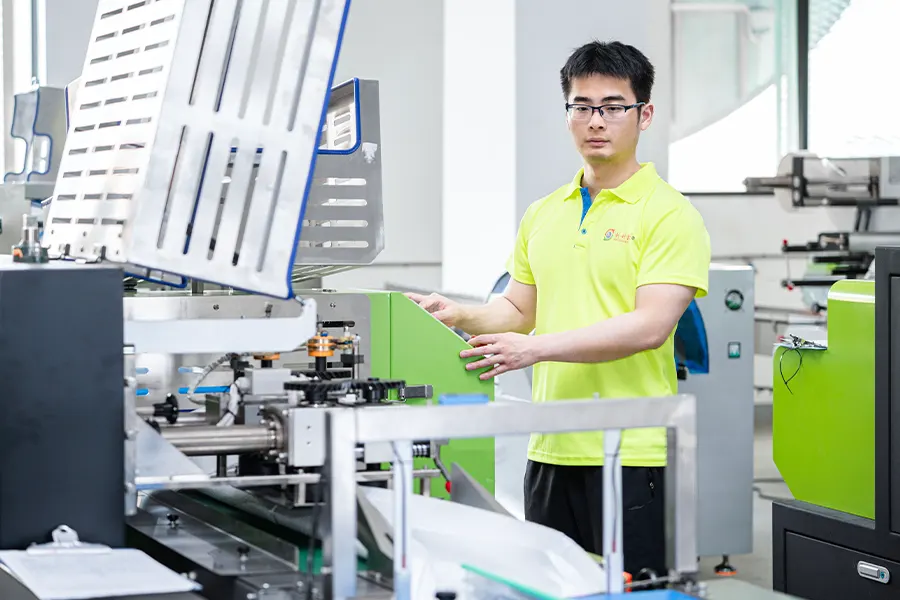
Un matériau d’emballage est aussi efficace que le sceau qui le sécurise. Passer des plastiques traditionnels aux plastiques modernes, les films durables introduisent de nouvelles variables techniques dans votre ligne de production. Si vos machines ne peuvent pas maintenir une pression ou une précision thermique constante, même les films barrières de haute qualité échoueront au niveau des coutures.
À CHLB, nous avons passé plus de deux décennies à nous imposer comme l'un des principaux fabricants d'équipements d'emballage alimentaire, aider les producteurs mondiaux à associer la science des matériaux aux performances mécaniques. Que vous utilisiez nos systèmes VFFS ou nos machines d'emballage alimentaire spécialisées, notre équipement est conçu pour gérer les fenêtres étroites et étanches des stratifiés modernes. Nous nous concentrons sur l’optimisation de chaque partie de votre processus. Notre expertise couvre tout, du contrôle de la tension du film à l'intégrité finale du joint.. Cette approche précise garantit la sécurité de votre produit pendant que votre ligne fonctionne avec une efficacité maximale..
Envisagez-vous de passer à des films durables ou cherchez-vous à améliorer la durée de conservation de votre gamme actuelle?
Explorez nos options de machines d'emballage alimentaire automatisées ou contactez-nous aujourd'hui pour une consultation personnalisée sur la compatibilité des matériaux.