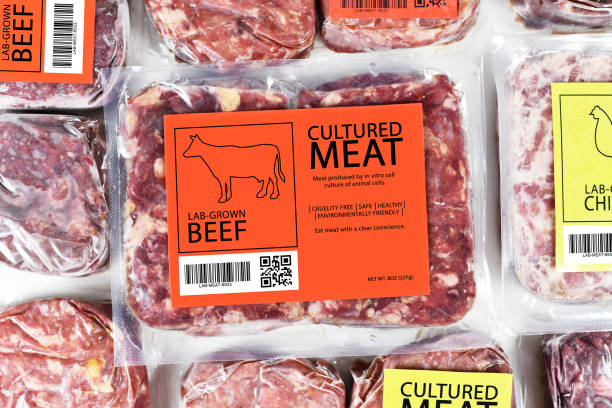
يلعب تغليف المواد الغذائية المجمدة دورًا حيويًا في الحفاظ على سلامة المنتجات, طازج, وجذابة بصريًا من المصنع إلى الفريزر. سواء كنت الشركة المصنعة, موزع, أو ببساطة فضولي حول كيفية بقاء وجباتك المجمدة المفضلة مثالية, يعد فهم مواد التعبئة والتغليف والأداء أمرًا ضروريًا.
في هذا الدليل, سنستكشف مواد تغليف المواد الغذائية المجمدة الشائعة ونساعدك على اختيار أفضل ما يناسب احتياجاتك. دعونا نتعمق!
لماذا يهم تغليف المواد الغذائية المجمدة
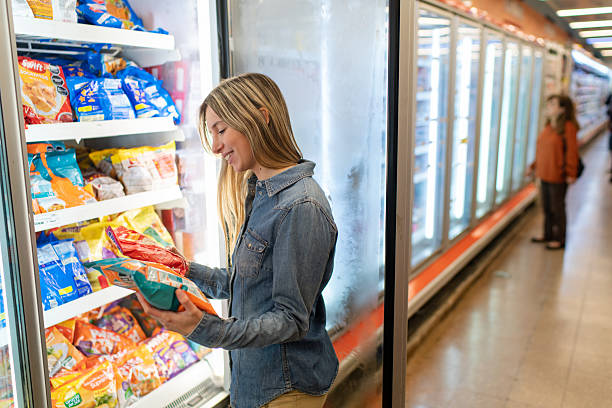
قد تتساءل, لماذا لا يمكنني استخدام كيس بولي إيثيلين عادي؟ أغذية مجمدة? تكمن الإجابة في التحديات الفريدة المتمثلة في درجات الحرارة المتجمدة. داخل الثلاجة, حيث يمكن أن تنخفض درجات الحرارة إلى -18 درجة مئوية (0درجة فهرنهايت) أو أقل, التعبئة والتغليف العادية لا تقطعها.
يجب أن تحمي عبوات المواد الغذائية المجمدة من ثلاثة تهديدات رئيسية:
1. حرق الفريزر والجفاف
المشكلة الأكثر شيوعًا التي ستسمع عنها من المستهلكين هي حرق المجمد. يحدث هذا عندما تتحول الرطوبة الموجودة داخل الطعام إلى غاز وتتسرب, ترك الطعام جافًا, قاسٍ, وتغير لونها. هذه العملية, يسمى التسامي, مشكلة حقيقية لمنتجاتك المجمدة. لمنع هذا, أنت بحاجة إلى التعبئة والتغليف مع انخفاض معدل انتقال بخار الماء (WVTR)- هذا يحافظ على الرطوبة محبوسة بالداخل, الحفاظ على كل من الملمس والنكهة.
2. الأكسدة و النتانة
الأكسجين يمكن أن يدمر نكهة الأطعمة المجمدة, وخاصة الأطعمة الدهنية مثل اللحوم أو الوجبات الجاهزة بالزيوت. حتى الدهون المجمدة يمكن أن تبدأ في التأكسد, مما تسبب في ذلك غير سارة “قديمة” ذوق. يجب أن توفر عبوات الأطعمة المجمدة الفعالة حاجزًا قويًا للأكسجين للحفاظ على نضارتها ومنع النتانة.
3. المتانة المادية (مقاومة التأثير)
درجات الحرارة الباردة يمكن أن تجعل المواد هشة, لذا فإن الغشاء البلاستيكي القوي في درجة حرارة الغرفة قد يتشقق أو ينكسر عند تجميده. هذه مشكلة أثناء الشحن عندما يتم رمي أكياس الطعام المجمدة أو تدافعها في الشاحنات. حواف حادة, مثل الطرف المدبب من البطاطس المقلية المجمدة أو نهاية عظم الدجاج, يمكن بسهولة ثقب حزمة ضعيفة. ولهذا السبب يجب أن تكون عبواتك قوية بما يكفي لتحمل الصدمات ومقاومة الثقوب, حتى في ظروف التجميد.
باستخدام عبوات المواد الغذائية المجمدة المتخصصة, أنت تضمن أن تظل منتجاتك طازجة, لذيذ, وسليمة, بغض النظر عن الظروف داخل الفريزر.
ما هي المواد المستخدمة في تغليف المواد الغذائية المجمدة?
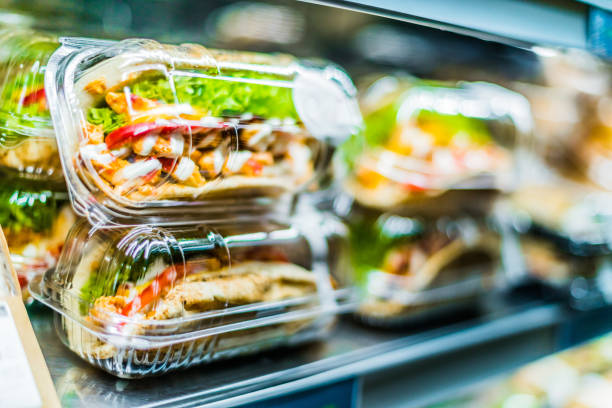
تنقسم مواد تغليف المواد الغذائية المجمدة إلى فئتين عريضتين:
- عبوة مرنة, مثل الأفلام والحقائب, وهو خفيف الوزن, فعالة من حيث التكلفة, وتستخدم على نطاق واسع.
- التعبئة والتغليف الصلبة أو شبه الصلبة, مثل الصواني أو الصناديق, مما يوفر حماية بدنية قوية وقوة تكديس أفضل.
يساعدك فهم دور وسلوك كل مادة على تحديد النوع المناسب لمنتجك. دعونا نذهب من خلالهم واحدا تلو الآخر.
1. البولي ايثيلين (بي)
البولي إيثيلين هو العمود الفقري للتغليف المرن للأغذية المجمدة. يتم استخدامه لصنع كل شيء بدءًا من الأكياس البسيطة وحتى الأفلام المصفحة المعقدة.
لماذا يتم استخدامه:
- مقاومة عالية للرطوبة, الحفاظ على الطعام جافًا ومنع حرق المجمد.
- تبقى مرنة حتى في درجات الحرارة المنخفضة جدًا (إلى حوالي -40 درجة مئوية).
- يمكن أن تكون مختومة بالحرارة بسهولة, وهو أمر بالغ الأهمية للحفاظ على التعبئة والتغليف محكم.
المتغيرات والتطبيقات:
- البولي إثيلين المنخفض الكثافة (PE منخفض الكثافة): ناعم, مرن, تستخدم لأكياس الخضروات أو طبقات الختم الداخلية.
- البولي إثيلين عالي الكثافة (عالية الكثافة بي): أكثر صلابة, أقوى, غالبًا ما يستخدم للطبقات الخارجية أو الأكياس السميكة.
القيد:
يوفر حاجز أكسجين محدود, لذلك ليس الخيار الأفضل للأطعمة الحساسة للأكسدة (مثل اللحوم أو الجبن).
طلب: سوف ترى هذا في كل حقيبة مرنة تقريبًا, من التوت المجمد إلى خلطات الخضار.
2. مادة البولي بروبيلين (ص)
مادة البولي بروبيلين هي نوع آخر من بلاستيك التغليف الشائع, معروف بكونه متينًا وواضحًا. لكن, يصبح هشًا في ظل البرد الشديد, لذا فإن دوره في التطبيقات المجمدة عادةً ما يكون جزءًا من فيلم متعدد الطبقات.
لماذا يتم استخدامه:
- وضوح ولمعان ممتاز, جعل المنتج مرئيًا على الرف.
- مقاومة كيميائية جيدة.
- فعالة من حيث التكلفة مقارنة بالمواد ذات الحاجز العالي.
هيكل نموذجي:
غالبًا ما يتم دمجه مع LDPE (تشكيل بوب / البولي إثيلين المنخفض الكثافة) للحصول على الصلابة والمرونة.
القيد:
قد يتشقق PP غير المعدل وحده إلى أقل من -20 درجة مئوية, لذلك لا يتم استخدامه كفيلم مستقل للتجميد العميق.
طلب: وجبات مجمدة, الحلويات, والمخبوزات.
3. البولي إيثيلين تيريفثاليت (حيوان أليف)
PET صعبة, بلاستيك لامع يعمل بشكل جيد مع الطبقة الخارجية للعبوة الرقائقية.
لماذا يتم استخدامه:
- قوي, مع ثقب عالية ومقاومة المسيل للدموع.
- نفاذية الأكسجين منخفضة مقارنة بـ PE وPP.
- سطح طباعة ممتاز للعلامات التجارية ووضع العلامات.
- يحافظ على ثبات الأبعاد في ظل الظروف الساخنة والباردة.
التطبيقات المشتركة:
تستخدم كطبقة خارجية في أكياس مغلفة PET/PE أو طبقة تغطية للصواني.
القيد:
غالي, وهو لوحده شديد الصلابة بحيث لا يمكن إغلاقه مباشرة، وبالتالي عادةً ما يتم دمجه مع مادة PE الأكثر ليونة.
طلب: منتجات جاهزة للخبز, الخضروات المجمدة, واللحوم.
4. مادة البولي أميد (نايلون)
النايلون ليس مرنًا مثل PE أو PP, لكنها لا تقبل المنافسة من حيث المتانة. إنها مادة يمكن اللجوء إليها عندما يكون الضغط الميكانيكي والحماية من الثقب على رأس الأولويات.
لماذا يتم استخدامه:
- مقاومة عالية جدًا للثقب - رائعة للحوم, المحار, ومنتجات العظام.
- حاجز الأكسجين الجيد, حماية المنتجات من الأكسدة.
التكوين النموذجي:
عادة ما تكون مغلفة بـ PE (للختم) أو مع EVOH (لحاجز الأكسجين الإضافي), تشكيل PA/PE أو PA/EVOH/PE متعدد الطبقات.
القيد:
يمتص الرطوبة مع مرور الوقت, والتي يمكن أن تقلل قليلاً من خصائص الحاجز ما لم يتم تصفيحها بشكل صحيح.
طلب: اللحوم المجمدة, مأكولات بحرية, ومنتجات العظام.
5. إيفوه (كحول فينيل الإيثيلين)
قد يبدو EVOH غريبًا, لكنه البطل غير المرئي في العديد من أنظمة التعبئة والتغليف المتقدمة. إنها طبقة حاجزة متخصصة توضع غالبًا بين الأفلام الأخرى.
لماذا يتم استخدامه:
- يوفر حاجز أكسجين مرتفع للغاية - يصل إلى 100 أفضل مرات من PE أو PP القياسي.
- يحافظ على النكهات والروائح طازجة لفترات طويلة, حيوي للحوم والمأكولات البحرية.
هيكل نموذجي:
يقع دائمًا بين طبقات مقاومة للرطوبة (على سبيل المثال, الحيوانات الأليفة/EVOH/أو) لأن حاجزها ينخفض عند تعرضها للرطوبة.
القيد:
أكثر تكلفة من البوليمرات العادية وتتطلب البثق المشترك أو التصفيح متعدد الطبقات.
طلب: المأكولات البحرية المجمدة, لحوم عالية الجودة, والوجبات المجمدة المتميزة.
6. مركبات الورق المقوى
والآن ننتقل إلى ما هو أبعد من الأفلام المرنة، إلى المواد شبه الصلبة. تعني هذه العبارة التغليف الذي لا يكون عبارة عن طبقة ناعمة بحتة ولكنه يشتمل على لوح, صواني, أو الصناديق المصنوعة من الورق بالإضافة إلى الطلاءات الواقية.
لماذا يتم استخدامه:
- يوفر الصلابة وقابلية التكديس - وهو أمر مهم بالنسبة للبيتزا, وجبات جاهزة, ومنتجات متعددة العبوات.
- سطح ممتاز لطباعة الشعارات, القوائم, أو تعليمات التعامل.
- يمكن دمجه مع فيلم بلاستيكي أو بطانات رقائق الألومنيوم لمقاومة الرطوبة والشحوم.
القيد:
غير مناسب للاتصال المباشر بالرطب, الأطعمة المجمدة غير المعبأة ما لم تكن مغلفة أو مغلفة.
طلب: بيتزا, وجبات جاهزة, الأطعمة المجمدة متعددة العبوات.
7. رقائق الألومنيوم والأفلام المعدنية
تمثل رقائق الألومنيوم أعلى مستوى حاجز متاح اليوم. تقدم الأفلام المعدنية أداءً مشابهًا ولكنها أخف وزنًا وأرخص.
لماذا يتم استخدامها:
- منع الأكسجين, رُطُوبَة, والضوء تماما.
- إطالة العمر الافتراضي للمنتج بشكل ملحوظ.
- يحافظ على اللون والنكهة - مثالي للمنتجات الجاهزة للخبز والمعجنات الفاخرة.
خيارات معدنية:
- PET الممعدنة: نظرة عاكسة, حاجز قوي, تكلفة أقل من الرقائق الفعلية.
- رقائق الألومنيوم: ما يقرب من الصفر نقل الغاز, ولكنها أقل مرونة وأكثر تكلفة.
القيد:
من الصعب إعادة التدوير عندما تكون مغلفة بالبلاستيك; أيضًا, يمكن أن تنثني أفلام الرقائق بسهولة أثناء التعبئة.
طلب: منتجات جاهزة للخبز, معجنات متميزة, البيتزا المجمدة, والحلويات المجمدة.
8. صواني بلاستيكية صلبة (حيوان أليف, ص, أو CPET)
تأخذ الصواني الصلبة "ما هو أبعد من الفيلم المرن" خطوة أخرى إلى الأمام - فهي تتشكل حاويات بدلا من يلتف. يستخدم بشكل رئيسي للوجبات المجمدة المعدة, لازانيا, أو الحلويات.
لماذا يتم استخدامها:
- توفير الحماية المادية ضد أضرار السحق والتعامل معها.
- دعم الختم الحراري مع غطاء الفيلم لإحكام الإغلاق, حزمة واضحة للعبث.
- بعض الأنواع, مثل CPET (بولي إيثيلين تيرفثالات البلورية), يتحمل التجميد وإعادة تسخين الفرن.
القيد:
أثقل وأكثر تكلفة من الأكياس المرنة. أيضًا, ترتفع تكاليف الشحن بسبب حجمها الكبير.
طلب: الوجبات المجمدة الجاهزة, لازانيا, الحلويات المجمدة, والوجبات القابلة للميكروويف.
9. البدائل القابلة للتحلل وإعادة التدوير
الاستدامة تعيد تشكيل المناقشات المتعلقة بالتعبئة والتغليف, حتى في التطبيقات المجمدة. مواد مثل PLA القابل للتحلل (حمض البوليلاكتيك) أو الأفلام القائمة على السليلوز تدخل السوق, على الرغم من أنهم ما زالوا يواجهون قيودًا في ظل درجات حرارة أقل من الصفر.
الحلول الحالية:
- جيش التحرير الشعبى الصينى (حمض البوليلاكتيك): ذات أساس حيوي ولكنها هشة تحت درجة التجمد.
- الهياكل أحادية المادة (100% بي أو ب) لإعادة التدوير.
- بوب (ذو اتجاهين PE) الأفلام - واضح, قاسٍ, وقابلة لإعادة التدوير, من المتوقع أن يحل محل PET في العديد من الاستخدامات.
- تقليل سماكة الفيلم من خلال تقنيات البثق المشترك المحسنة, خفض استهلاك المواد بنسبة 10-20%.
القيد:
يجب أن تستمر الأفلام البيئية في تحسين المتانة في درجات الحرارة المنخفضة لتتوافق مع معايير الأداء الحالية.
طلب: التغليف المستدام للأطعمة المجمدة (خضروات, وجبات, وجبات خفيفة).
كيفية أداء مواد التعبئة والتغليف المختلفة في ظروف التجميد
يوجد أدناه جدول مقارنة يلخص كيفية أداء مواد تغليف المواد الغذائية المجمدة الرئيسية عبر العوامل الفنية الحاسمة.
| مادة | تحمل درجة الحرارة | المرونة عند -20 درجة مئوية | الاستدامة | التطبيقات |
|---|---|---|---|---|
| البولي إثيلين المنخفض الكثافة / البولي إثيلين عالي الكثافة (البولي ايثيلين) | ممتاز (تصل إلى -40 درجة مئوية) | جيد جدًا (يحتفظ بالنعومة) | قابلة لإعادة التدوير (أحادي PE) | أكياس الخضار والفواكه, أكياس السائبة |
| ص (مادة البولي بروبيلين) | عدل (إلى -20 درجة مئوية) | محدود (يمكن أن تتصدع) | قابلة لإعادة التدوير (أحادي PP) | الفطائر, المعكرونة, وجبات خفيفة |
| حيوان أليف (البولي إيثيلين تيريفثاليت) | ممتاز (مجموعة واسعة) | عدل (جامدة في درجة حرارة منخفضة) | قابلة لإعادة التدوير جزئيًا باستخدام PET أحادي | أفلام الأغطية, أكياس الاحتياط |
| نايلون (مادة البولي أميد) | ممتاز | جيد | إمكانية إعادة التدوير المحدودة | لحمة, مأكولات بحرية, حزم العظام |
| إيفوه (كحول فينيل الإيثيلين) | ممتاز | مرنة داخل شرائح | غير قابلة لإعادة التدوير وحدها | أكياس مغلفة عالية الحاجز |
| مركبات الورق المقوى | جيد للتغليف الثانوي | جامد | قابلة لإعادة التدوير جزئيا (مع طلاء PE) | علب البيتزا, الأكمام وجبة |
| رقائق الألومنيوم / الأفلام المعدنية | ممتاز (يعالج التطرف) | احباط: جامد / فيلم معدني: مرن | ضعف إمكانية إعادة التدوير (متعدد الطبقات) | معجنات, البضائع المخبوزة, الأطعمة المتميزة |
| PET جامدة / ص / صواني CPET | متميز | جامد | قابلة لإعادة التدوير (هيكل أحادي) | وجبات جاهزة, لازانيا, الحلويات |
| قابلة للتحلل / البلاستيك القابل لإعادة التدوير (جيش التحرير الشعبى الصينى, بوب, إلخ.) | عدل (PLA هش تحت -10 درجة مئوية; بوب مستقرة) | عامل | ممتاز لإعادة التدوير أو التسميد | منتجات مجمدة صديقة للبيئة, وجبات خفيفة |
رؤى رئيسية من المقارنة
- تظل LDPE وHDPE أكثر المواد تنوعًا واقتصادية للتغليف المجمد المرن. يقاومون التشقق, ختم بسهولة, وقابلة لإعادة التدوير على نطاق واسع.
- توفر شرائح PET والنايلون قوة ميكانيكية عالية للحوم أو البضائع الثقيلة, على الرغم من أنها تضيف تكلفة وتقلل من المرونة.
- يوفر EVOH أفضل حاجز للأكسجين ويستخدم عادةً كطبقة وسطى رقيقة في الهياكل متعددة الطبقات.
- الألومنيوم والأغشية المعدنية لا تقبل المنافسة في قوة الحاجز ولكنها أقل صداقة للبيئة ويصعب إعادة تدويرها.
- تنتقل المواد المركبة من الورق المقوى والصواني الصلبة إلى ما هو أبعد من الفيلم المرن, تقديم الهيكل والقدرة على التكديس للوجبات الجاهزة للبيع بالتجزئة.
- تظهر الخيارات المستدامة مثل أفلام BOPE وأفلام PP الأحادية كبدائل واقعية, على الرغم من أنه لا يزال في التحسين المستمر لصلابة درجات الحرارة المنخفضة.
ما يجب مراعاته عند اختيار تغليف المواد الغذائية المجمدة
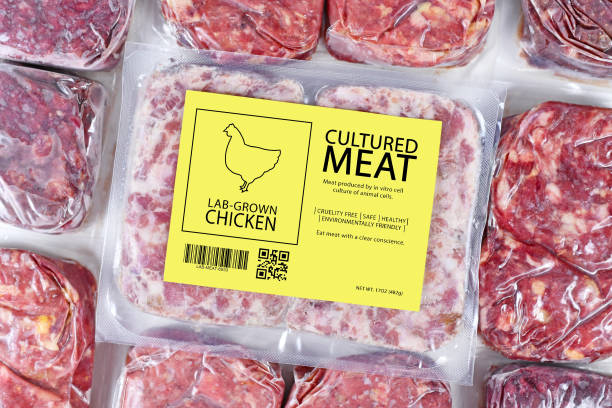
إذا كنت تطلق منتجًا مجمدًا جديدًا أو تقوم بترقية خطك الحالي, لا تشتري فقط أرخص فيلم. وهذه وصفة لكارثة. تحتاج إلى تحقيق التوازن بين ثلاثة عناصر: حماية المنتج, القدرة على التصنيع, والاستدامة.
فيما يلي قائمة مرجعية من وجهة نظر الشركة المصنعة للمعدات.
متطلبات الحاجز (OTR وWVTR)
يجب عليك مطابقة الحاجز مع الطعام.
- خضروات: هم في الغالب الماء. إنهم بحاجة إلى حاجز رطوبة جيد (WVTR) لمنع الجفاف. لكن, هم أقل حساسية للأكسجين. عادةً ما يكون هيكل PE/PE أو BOPP/PE القياسي جيدًا.
- اللحوم والأطعمة الدهنية: هذه حساسة. الأكسجين يسبب أكسدة الدهون. أنت بحاجة إلى “حاجز عالي” فيلم, من المحتمل أن تتضمن EVOH (كحول فينيل الإيثيلين) أو طبقة معدنية. إذا كنت تبخل هنا, سيكون طعم منتجك قديمًا في غضون أسابيع.
- حدة: إذا كنت تقوم بتغليف الدجاج بالعظم أو بلح البحر المقشر, لا يهم أرقام الحاجز إذا أحدث العظم ثقبًا في الكيس. أنت في حاجة إلى سميكة, صفح مقاوم للثقب, عادة ما تنطوي على النايلون (السلطة الفلسطينية) للمتانة.
القدرة على التصنيع: هل سيتم تشغيله?
هذا هو المكان الذي تفشل فيه العديد من الشركات. إنهم يشترون فيلمًا يبدو جيدًا ولكنه يسبب اختناقات في خط الإنتاج.
- COF (معامل الاحتكاك): يحتاج الفيلم إلى الانزلاق فوق طوق التشكيل للآلة. إذا كان COF مرتفعًا جدًا, فإنه يسحب ويستقر. إذا كانت منخفضة جدًا, ينزلق, ويتم العبث بمحاذاة الطباعة.
- نافذة الختم: أنت تريد مادة تغلق بشكل جيد عبر مجموعة من درجات الحرارة. إذا كانت المادة تغلق عند درجة حرارة 140 درجة مئوية فقط, وتتقلب درجة حرارة أرضية المصنع, سوف تحصل على أختام ضعيفة. نافذة ختم واسعة (على سبيل المثال, يغلق جيدًا بين 130 درجة مئوية و160 درجة مئوية) يسمح بسرعات إنتاج أسرع وأخطاء أقل.
- صلابة: إذا كنت تستخدم جهاز VFFS, يحتاج الفيلم إلى صلابة كافية لتشكيل أنبوب. إذا كان يعرج جدا, إنه يتجعد, يؤدي إلى “المتسربين” (الفجوات غير المغلقة).
تجربة المستخدم والراحة
فكر في قيام المستخدم النهائي بإخراج هذا من الثلاجة.
- إعادة الغلق: للمنتجات متعددة الخدمة (مثل كيس 1 كجم من قطع الدجاج), السوستة إلزامية. إذا لم يتمكن العميل من إعادة إغلاق الحقيبة, يتم حرق الطعام المتبقي في الفريزر. سوف يلومون علامتك التجارية, ليس الفريزر الخاص بهم.
- سهل التقشير مقابل. الختم المدمر: لتغطية الدرج, هل تريد أن يتقشر الفيلم بشكل نظيف؟? أو ينبغي أن لحام بإحكام, تتطلب سكينًا لفتحها? هذا يعتمد على متطلبات السلامة والراحة.
تحول الاستدامة
الصناعة تبتعد عن الشرائح المعقدة (مثل PET/Alu/PE) لأنه من الصعب إعادة تدويرها. لا يمكن فصل الطبقات بسهولة.
- الاتجاه: الهياكل أحادية المادة (بي / بي) هي المستقبل. فهي قابلة لإعادة التدوير بالكامل.
- الصيد: كما ذكرنا سابقا, من الصعب تشغيلها على الأجهزة القديمة. أنها تمتد بسهولة أكبر تحت الحرارة. إذا كنت تخطط للتبديل إلى الأفلام المستدامة, تأكد من أن آلات التعبئة والتغليف الخاصة بك مجهزة بأدوات تحكم دقيقة في درجة الحرارة وأنظمة شد للتعامل معها.
الأفكار النهائية
يتطور تغليف المواد الغذائية المجمدة التجارية بسرعة. يقدر السوق الآن إمكانية إعادة التدوير, تحسين الجاذبية البصرية, والأتمتة فعالة من حيث التكلفة. سواء كنت تعمل مع البولي ايثيلين, حيوان أليف, أو البدائل الصديقة للبيئة, يبقى الهدف مستقرا: تسليم آمنة, مظهر جديد, والأطعمة المجمدة المحفوظة بشكل مثالي للعملاء في كل مكان.
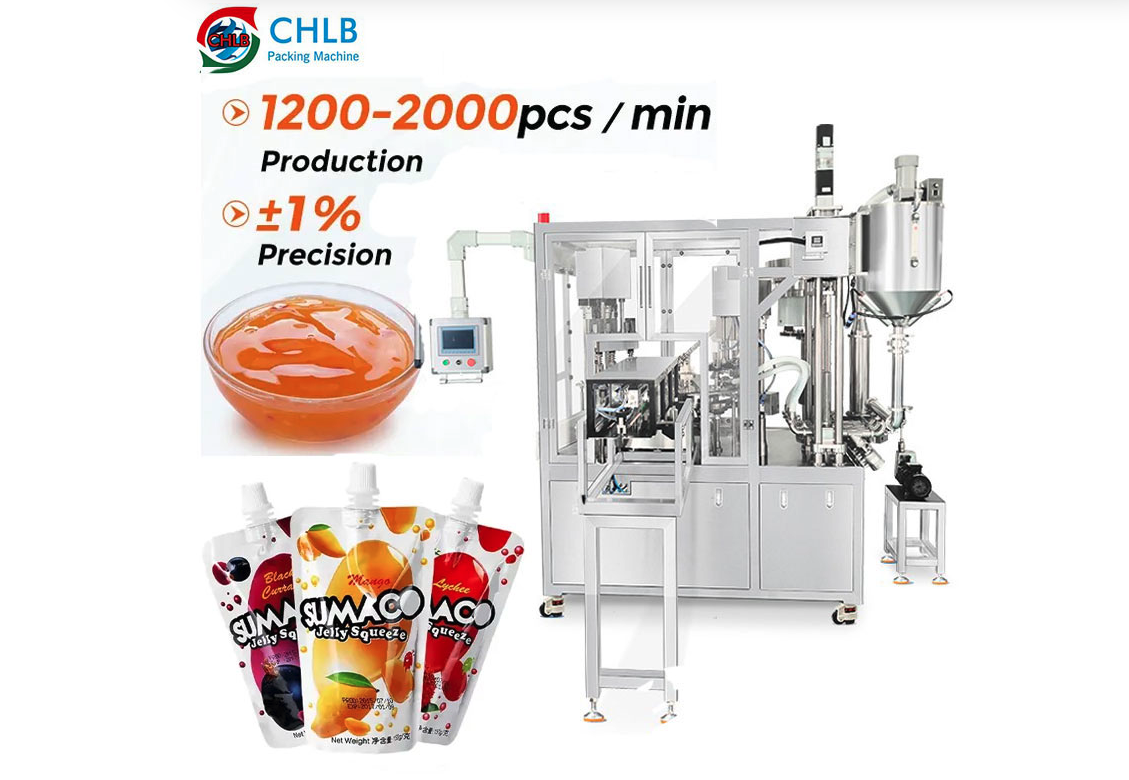
في CHLB, نحن نقدم آلات تغليف المواد الغذائية عالية الجودة التي تلبي مجموعة متنوعة من المنتجات الغذائية, بما في ذلك الأطعمة المجمدة. مع مجموعة واسعة من الحلول المصممة لتلبية احتياجات التغليف المختلفة, يمكننا المساعدة في تحسين عملية التعبئة والتغليف الخاصة بك.
على استعداد لتعزيز حلول التعبئة والتغليف الخاصة بك?
اتصل بنا اليوم لمعرفة كيف يمكن لآلات CHLB المبتكرة أن تدعم أعمالك وتحسن كفاءة تعبئة المواد الغذائية لديك.